





















 Tweet
Tweet
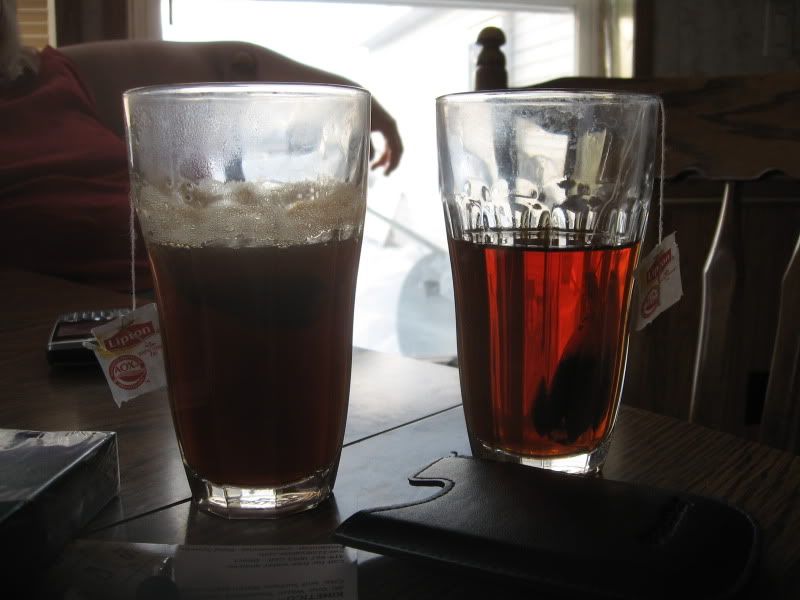
All tea, both hot and iced, is affected by water quality. Because of tea’s light flavor, the quality of input water is crucial to the beverage.
The clarity of tea is particularly affected by mineral content in water. Water hardness, caused by calcium and magnesium content in excess of 200 ppm, can cause clouding in iced tea. Water with 50 - 150 ppm total dissolved solids or 1 to 3 grains hardness provides the best results, according to the Tea Association of the USA.
The clarity of tea is particularly affected by mineral content in water. Water hardness, caused by calcium and magnesium content in excess of 200 ppm, can cause clouding in iced tea. Water with 50 - 150 ppm total dissolved solids or 1 to 3 grains hardness provides the best results, according to the Tea Association of the USA.
Water hardness is caused by a high mineral content. Tests show any hardness in excess of 200 ppm can cause clouding in iced tea. Chemical taste and/or odor caused by chlorination of municipal water and the presence of hydrogen sulfide in the water can also detract from tea flavor. In addition, the presence of particulate matter in water can cause scale and lime accumulation, detracting from the operational efficiency of automatic tea steeping equipment.

Because a brewed cup of tea is mostly water, the quality of your water is as important as the tea leaves themselves. Beyond just using any spring water or filtered water, there are a number of factors that will affect the taste of your infusion.
For centuries, Chinese tea aficionados have designated water from specific springs as the best water for brewing certain teas. A famous example is Dragon Well tea, which is considered best when brewed with water from the famous Tiger-Run Spring. Ancient tea masters would even have fresh water from renowned springs carried many miles in stone containers to ensure they had the best water for their tea. This is because subtle variations in the pH (acidity, alkalinity) and mineral content (Total Dissolved Solids, or TDS) of the water can affect the taste of the brew. Generally, higher mineral content can give a fuller, sweeter taste, while water with a lower mineral content can taste slightly sharper and bright. The types of minerals present will also change the taste and body of the tea. Calcium is needed for a full, sweet taste, whereas magnesium and iron are detrimental to the flavor of the brew. Distilled water should never be used because it lacks trace minerals and gives a flat, lifeless taste. The pH of the water can have similar effects, though closer to neutral (a pH of 7 is neutral) or slightly alkaline is generally considered best for tea.
If you are using tap water, some sort of filtration is usually recommended. You want to remove chlorine and other chemicals as well as sediment from your water without eliminating too many trace minerals.
For centuries, Chinese tea aficionados have designated water from specific springs as the best water for brewing certain teas. A famous example is Dragon Well tea, which is considered best when brewed with water from the famous Tiger-Run Spring. Ancient tea masters would even have fresh water from renowned springs carried many miles in stone containers to ensure they had the best water for their tea. This is because subtle variations in the pH (acidity, alkalinity) and mineral content (Total Dissolved Solids, or TDS) of the water can affect the taste of the brew. Generally, higher mineral content can give a fuller, sweeter taste, while water with a lower mineral content can taste slightly sharper and bright. The types of minerals present will also change the taste and body of the tea. Calcium is needed for a full, sweet taste, whereas magnesium and iron are detrimental to the flavor of the brew. Distilled water should never be used because it lacks trace minerals and gives a flat, lifeless taste. The pH of the water can have similar effects, though closer to neutral (a pH of 7 is neutral) or slightly alkaline is generally considered best for tea.
If you are using tap water, some sort of filtration is usually recommended. You want to remove chlorine and other chemicals as well as sediment from your water without eliminating too many trace minerals.
Our well-water test results:
- Hardness - 309 *
- Calcium > 60
- Iron - 0.317 *
- Magnesium - 27.7
- TDS 438
- Sodium - 14
- pH - 7.5
Our softened well-water test results:
Test #1:
- Hardness - ND
- Iron - ND
- TDS 712
- Sodium - 479
- pH - 7.51
Test #2:
- Hardness - ND
- Calcium- ND
- Iron - ND
- Magnesium - ND
- TDS - 400
- Sodium - 160 mg/l
- pH - 6.9
We would appreciate water treatment recommendations to consistently brew excellent tea given our water test results. Thanks

Comment